T-walk, I-walk, V-walk… presentations have changed and evolved a lot in recent years. I wouldn't say it was for the better, but I won't write this article to complain; instead, I'm here to help you adapt to what you must keep in mind for your 2026 presentation. I can already tell you that doing something that works for every single championship won't be enough; you must prepare yourself for different situations.
As a posing coach and official photographer, I see hundreds of athletes cross the stage. Many arrive with an incredible physique but fail in the most important part: how they present that physique to the judges.
I frequently share reflections on my Instagram stories about the most common mistakes made by athletes in "non-muscular" IFBB categories (Bikini, Wellness, Fit Model). Here, I present and explain them in a more organized way so you don't forget them at your next competition.
1. The Golden Rule: You must adapt your presentation to the championship, not the other way around
This is the number one mistake. Many athletes arrive with a fixed idea of how their presentation should be and get frustrated if something changes (there is less time for the presentation, the judge calls the next competitor before you finish…). You must have the ability to adapt your staging to the circumstances of the event (space, time, lights). The championship is a living environment where what you expect won't always happen, and you are the one who must adapt to it.
2. Improvisation vs. Choreography: Less is more
One of the major current failures is carrying a presentation that is highly choreographed, excessively rigid, and over-rehearsed, because you never know how much time you will have to perform it, and if you don't know how to adapt, you might find yourself surprised on stage without knowing quite how to react.
- If you have little experience: Keep things simple. Don't overcomplicate things by trying to do spectacular or special movements if you don't yet have the necessary confidence. It is better to prepare simple movements adapted to the strengths of your physique and prepare something basic that allows you to know what to do when faced with the unexpected.
- Prepare to improvise: You must be able to flow. An athlete who looks like a robot following marked steps loses all naturalness and connection with the judges. With experience, you must prepare yourself to know how to improvise so that your presentation transmits naturalness regardless of the circumstances.
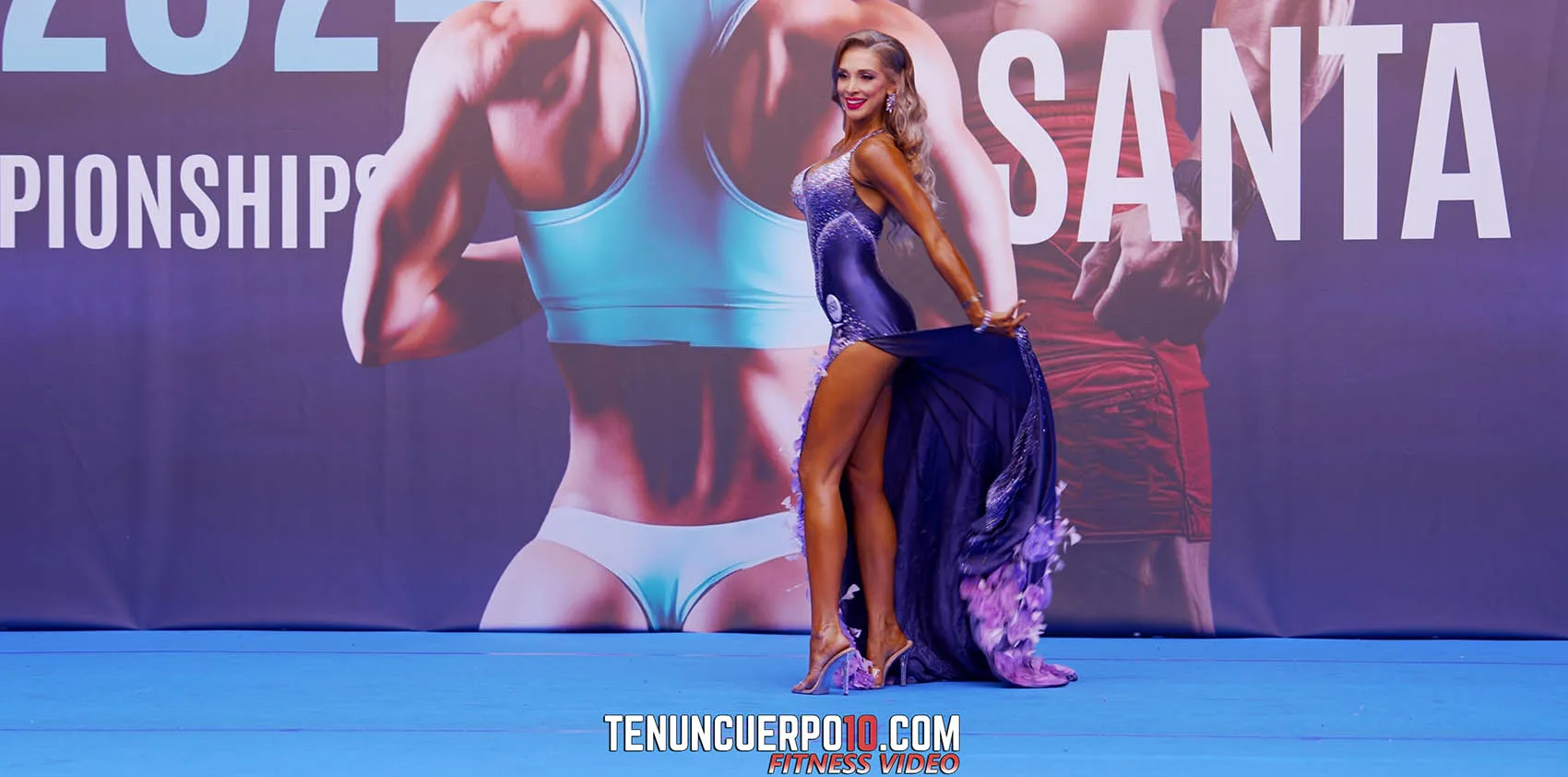
3. Energy and Confidence over the "Perfect" Poses
In a presentation, your attitude is worth more than a technically perfect pose. It is much more important to project security, self-confidence, and good energy. Identify your strengths as an athlete and adapt your presentation to highlight them, instead of trying to imitate a pose that doesn't favor you just because it is "trendy."
4. Don’t be a clone of your coach
Copying is useful at the beginning to learn the basic movements and familiarize yourself with the poses you identify with most. Being a clone of your coach can give you temporary security and make you feel more comfortable at first, but your future goal must be to create your own signature. Look for your style, the one that makes you feel that your poses express who you are as an athlete, with your own personality and movements that make you different from other athletes.
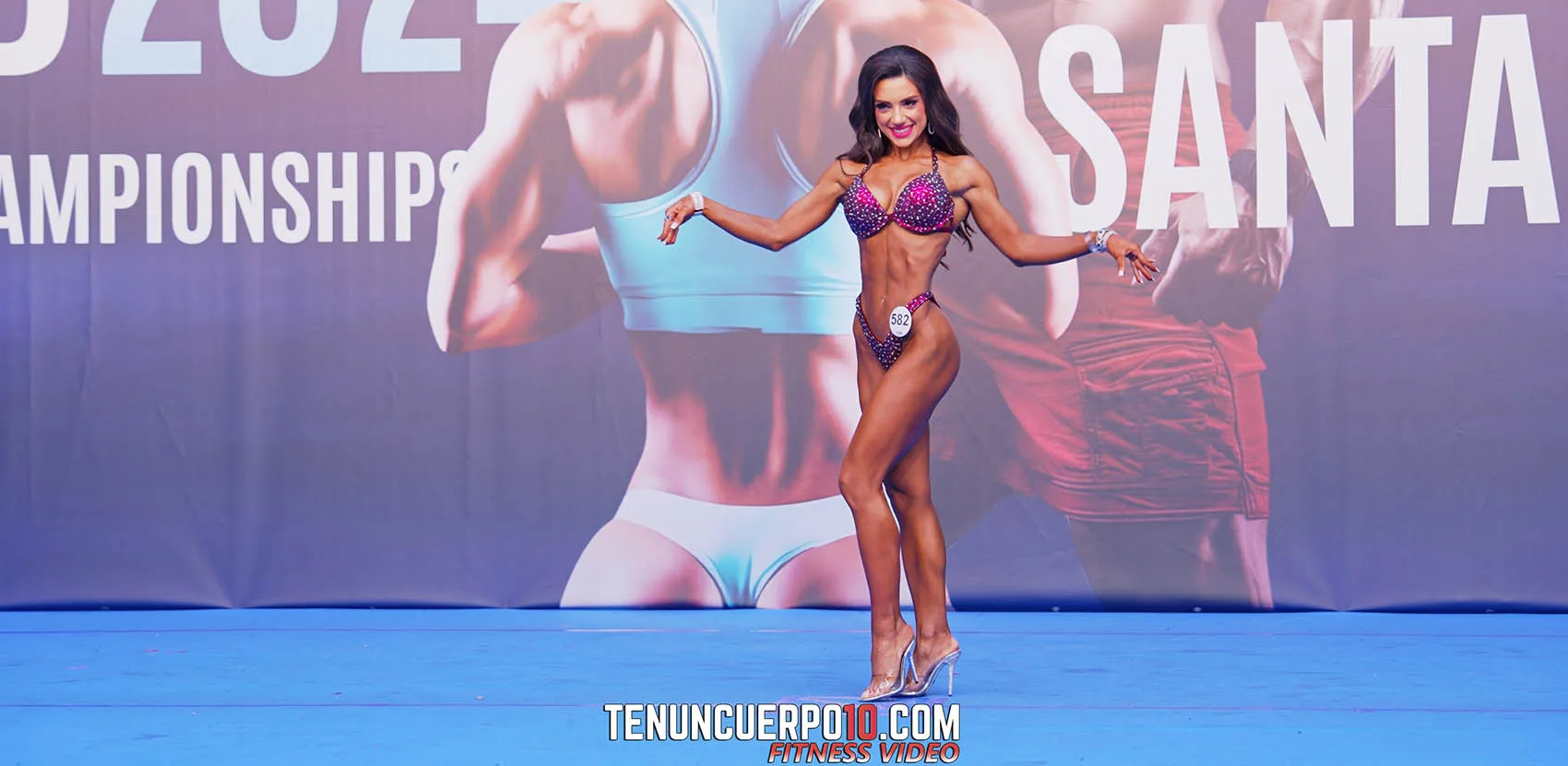
5. Be smart with your presentation timing: Don't “annoy” the judges
When the head judge, or the person with the microphone giving the athletes the signal to start their presentation, cuts your performance or introduces the next athlete sooner than you expect, you don't need to stop your presentation immediately, but don't try to stretch your presentation out at all costs, as this will not only fail to help you but will also make your performance annoying for the judges.
In championships with many athletes, presentations are usually fast. Be smart:
- Observe how the championship is developing, whether in previous categories or with athletes who step onto the stage before you.
- Mentally visualize what to do, the rhythm, the distance you have to walk, and what is a priority to show in your presentation.
- If they cut your presentation shorter than you expect, stay calm; finish your last pose and say goodbye naturally—do not show surprise or disapproval. As they say, the show must go on, and if you only have 10 seconds, make them the best 10 seconds of your life.
- If you see that the athlete before you is wasting time, wait a bit before coming out, even if they have already called your name. Otherwise, you will harm yourself because you will find yourself behind the other athlete without knowing what to do. Remember, adapt your performance to the circumstances of the competition.
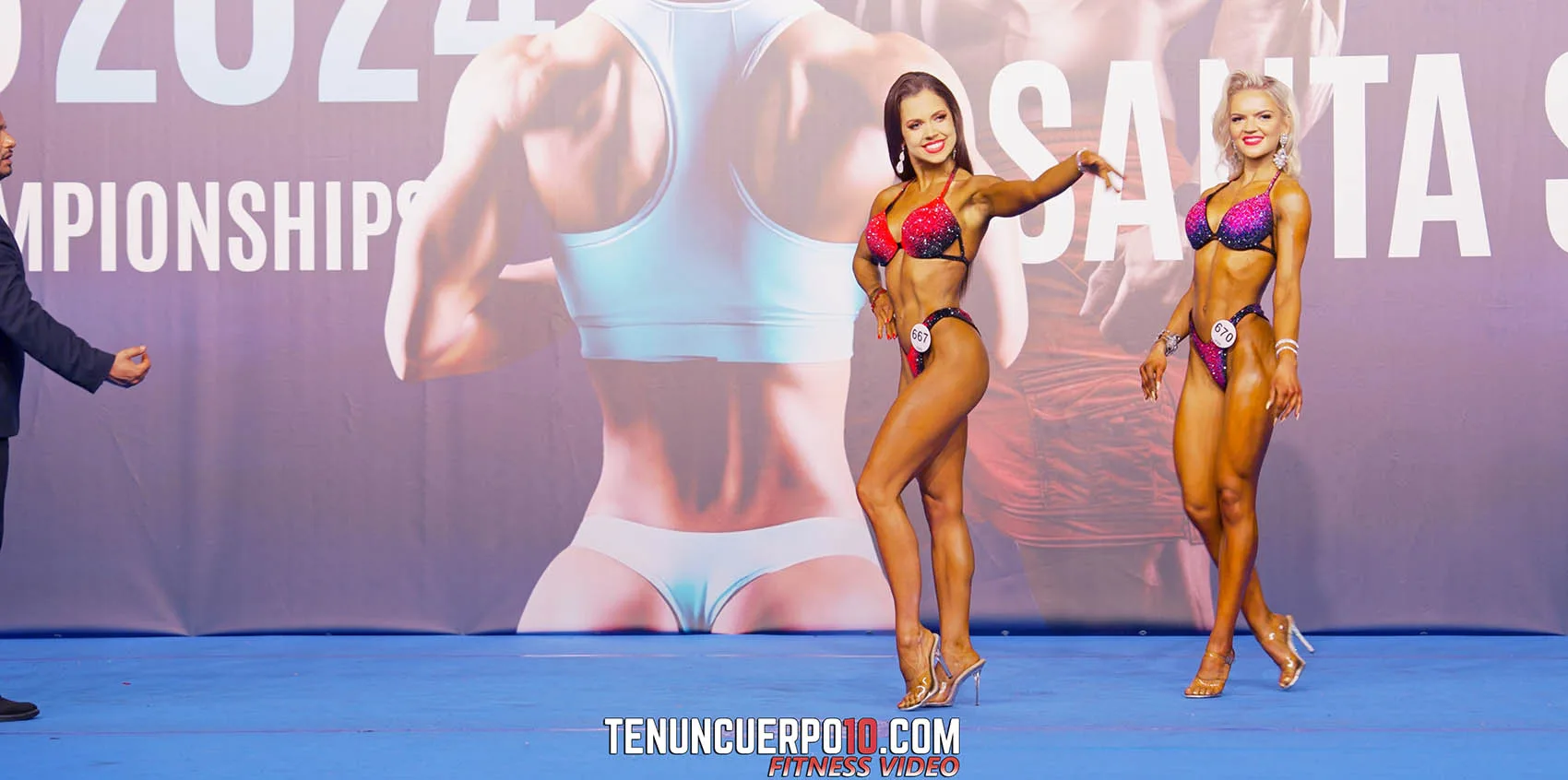
6. Analyze the stage (the Venue)
The competition begins from the athlete registration. As soon as you arrive at the championship venue, visit the stage if possible. Analyze its dimensions, depth, and available space.
Visualize your path: Can you walk a lot or only take a few steps?
Rhythm is key: Neither too fast nor too slow. An athlete who is too slow bores the judges and breaks the dynamic of the category.
7. The center of attention is the front, not the back
Do not pose at the back of the stage. If you have time to do several poses, do them in front of the judges or near the center of the stage. Posing at the back is irrelevant and makes the judges lose focus on your performance. The background is only for the initial greeting or the farewell when that possibility exists; the real work is done in front of them. If you walk toward the back of the stage, let it be only at the end to do your last pose and say goodbye.
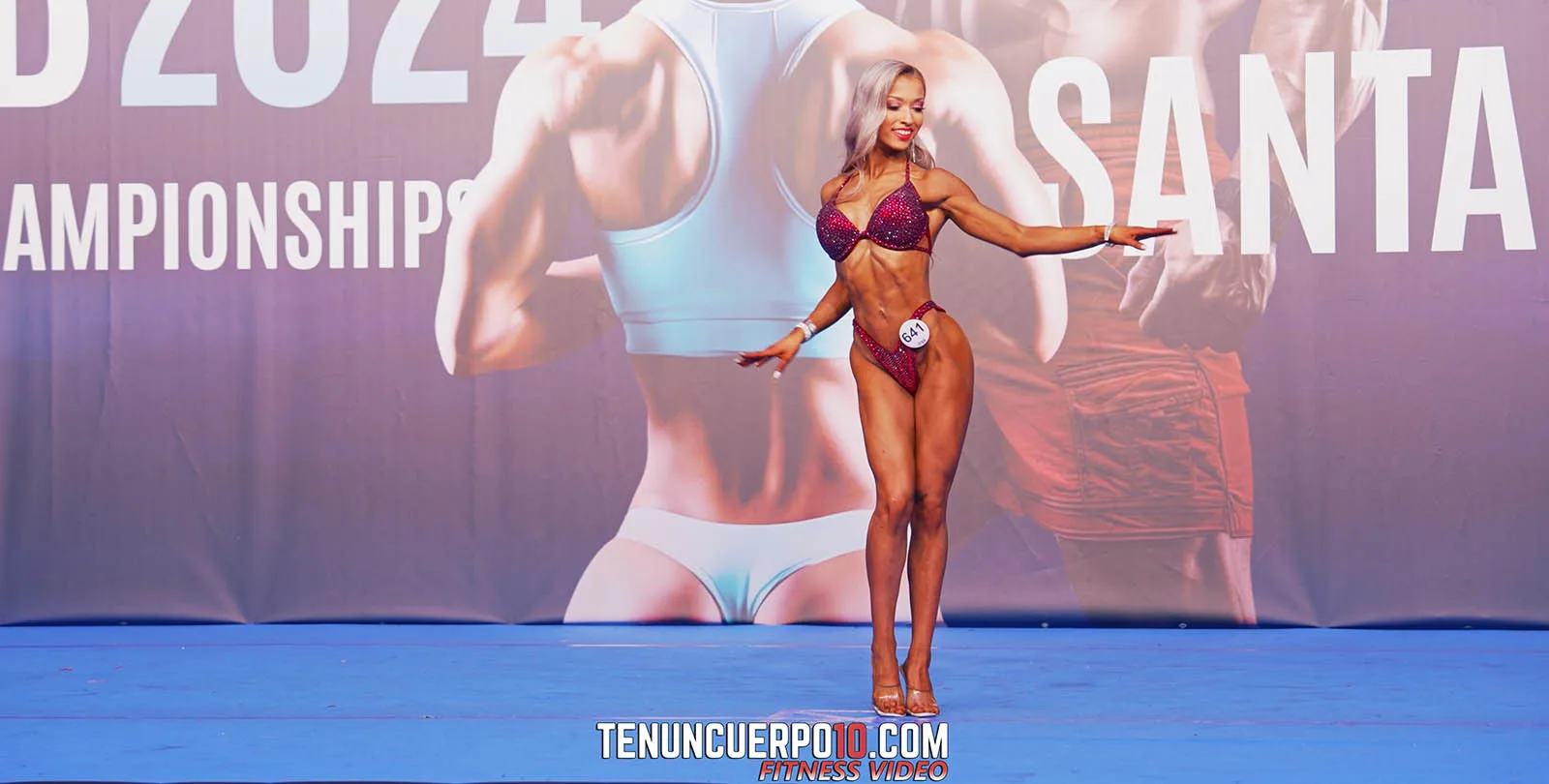
8. The importance of the "packaging"
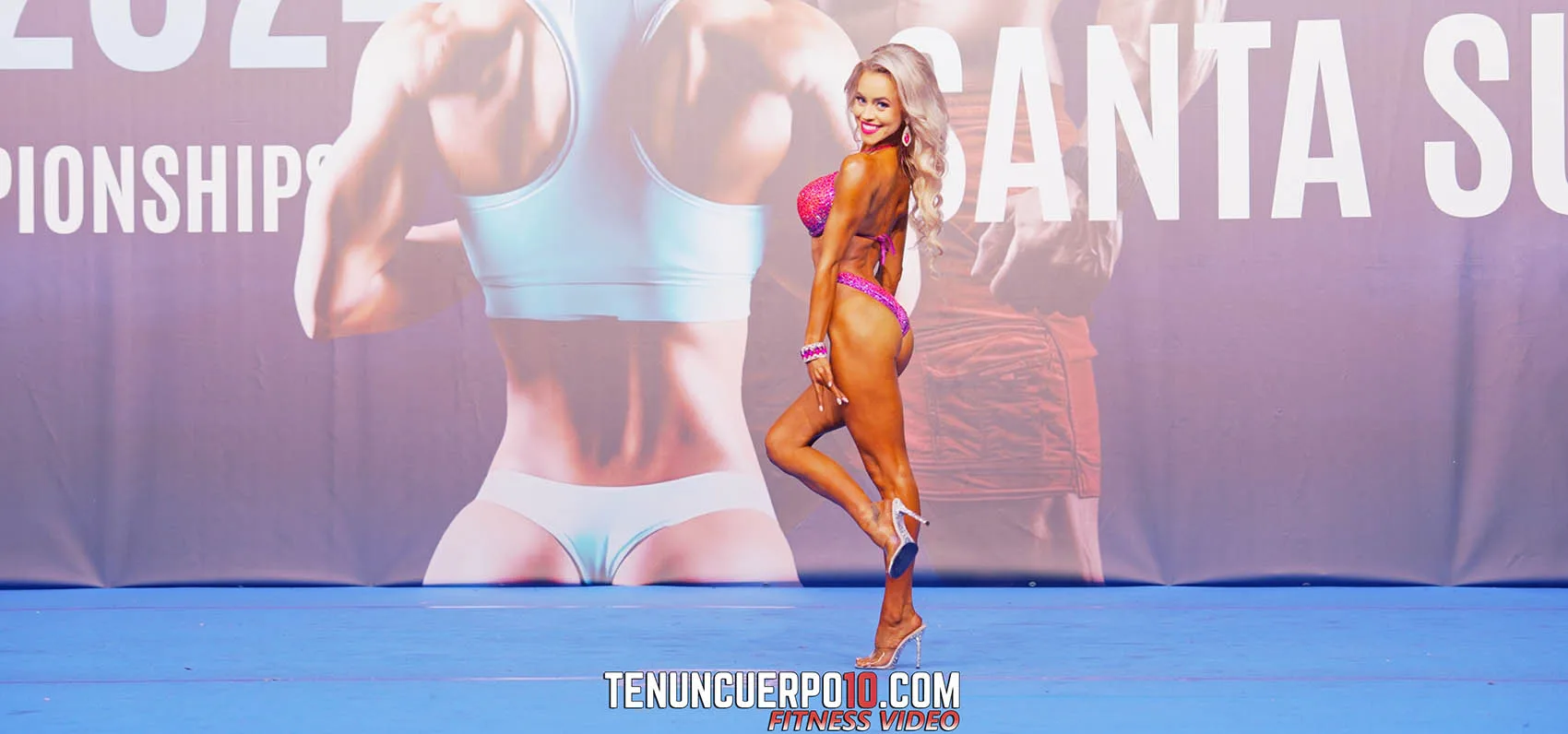
In non-muscular categories like Bikini or Fit Model, and even Wellness, the Overall Impression is judged. These are “perception” categories, and what you transmit has an enormous influence. Sometimes athletes obsess over showing a specific muscle and forget their elegance, their smile, or their energy.
Remember: in muscular categories, there are specific mandatory poses (double biceps, lat spread...), but here we are talking about quarter turns and attitude. Your physique is the gift, but the way you deliver it to the judges is the packaging. Don't neglect the packaging!
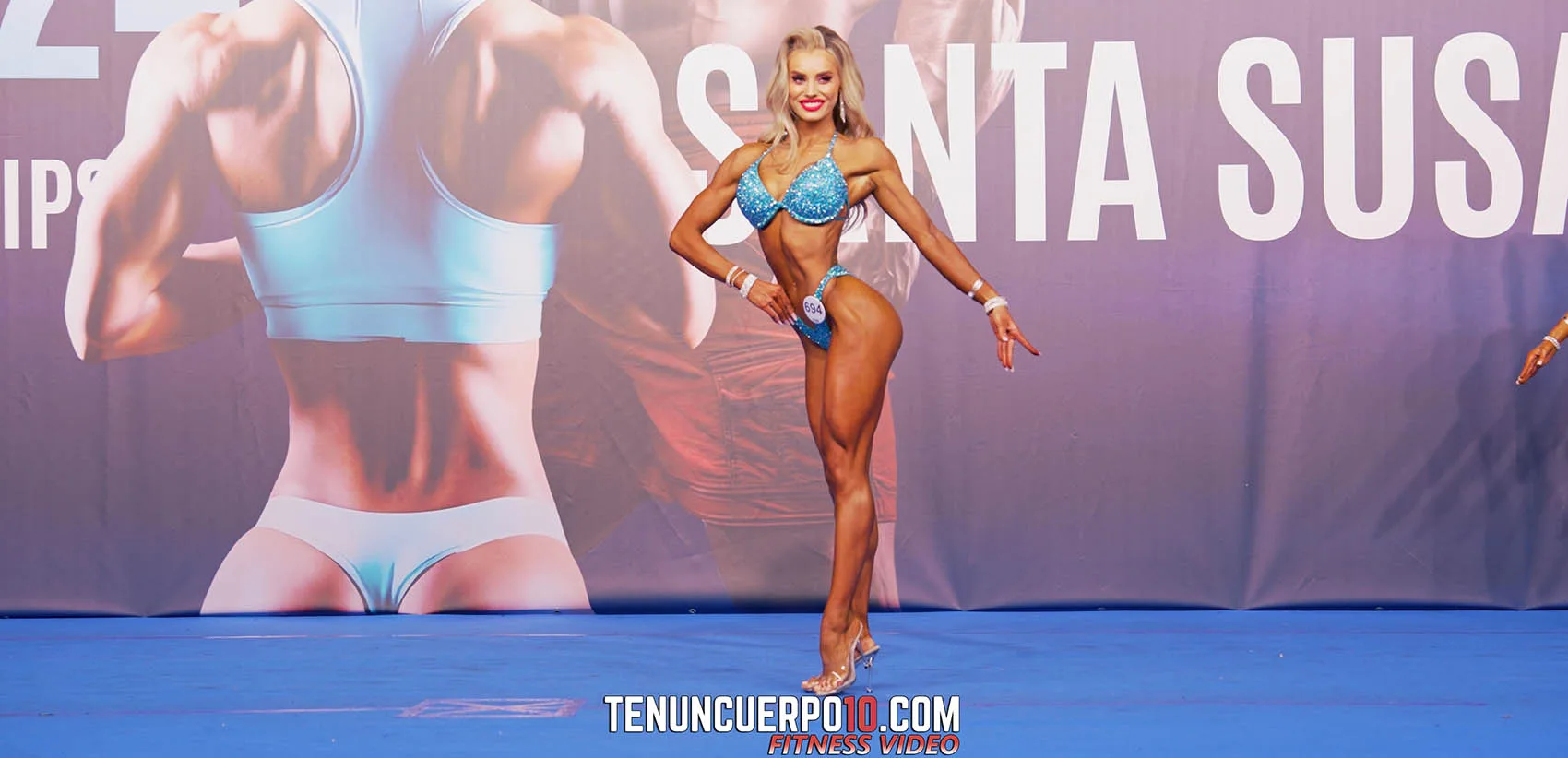
9. Movement and expressiveness: The key to elegance.
In just 15 seconds of movement in front of the judges, they will be able to see many things about you: how you walk, your self-confidence, your personality, the fluidity of your movements… It is your moment, the moment when the eyes of all judges are on you—are you going to waste it? It is certain that no judge will decide your classification based solely on the presentation, but you can leave an impression that will add to your complete performance.
Presentation is defined as the athletes' ability to show their physique in motion, and this will be part of the final score. An athlete who shows joy in their expressiveness, fluid movements, and good energy does not go unnoticed.
This is not something that all athletes, even those with experience, find easy; some never manage to feel comfortable in this moment. Do not disregard this part in your practices and do not leave it for the last minute. Even if you have a special skill for presentation, everything needs practice to show the best version of yourself.
There are athletes who are very detail-oriented with each of their movements, and you can tell because they never go unnoticed, and this will always be a point in their favor.
10. How to practice
To achieve all of the above, there is a part that comes from talent, a part from experience, and a part from practice. As I mentioned earlier, the most important thing is what you transmit during the time of your presentation, and for this, it is very important to have great self-confidence in yourself and what you do.
How do you achieve that security? By practicing, putting in the same energy and attitude that you will have in the competition. It's not just about practicing certain movements, but about learning to express yourself and knowing how to respond to any of the circumstances mentioned in the previous points. To do this, you must learn resources that help you handle all possible situations: walking in your competition heels (essential), in one direction, in another, turning, making transitions between movements—and all of this without a fixed sequence, because that is what will make you increasingly natural.
As I always say, it is just like learning to drive a car: at first, you think about what you have to do with your feet or your hands, how to change gears, or when and how to step on the accelerator or the brake. But over time, you will only think about where you want to go, and you will go; you won't even think about any of the previous movements. That, finally, is what you must achieve in your presentation.
Smile and use your best energy while practicing, even if you feel silly doing it. This is even more important if you find it hard to smile on stage; it is vital that you link the moment of posing with your smile in your mind. You must turn it into a habit, and this will help you improve your naturalness and self-confidence.
And now that you know all this, do you think you have a clearer idea of how to improve your presentation? I would love to know if it helped!
Do you need a guide or external eyes to help you supervise this process? Consult my posing coaching services for IFBB Bikini, Wellness, and Fit Model athletes. I have worked with more than 150 amateur and professional athletes from across 5 continents, and my eyes know exactly what they need to see in an athlete to know they are on the right track.
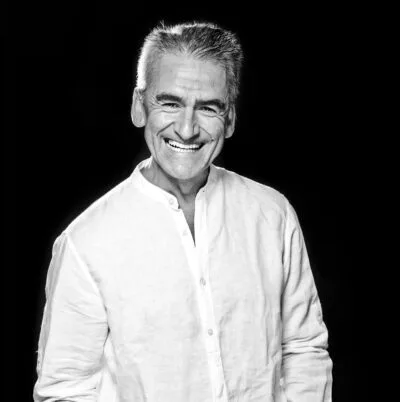
Juan B. Morales
- Posing Coach
- tenuncuerpo10.com owner
- IFBB Official Press Member


Getting Ready for Your Next Stage Appearance?
Pick your championship on the Official IFBB Calendar and boost your stage impact: master your mandatory poses and find the perfect cut, color, and shine by virtually trying on real competition bikinis with AI on your smartphone with the Posing AI Coach App (iPhone & Android with 5 free welcome credits).